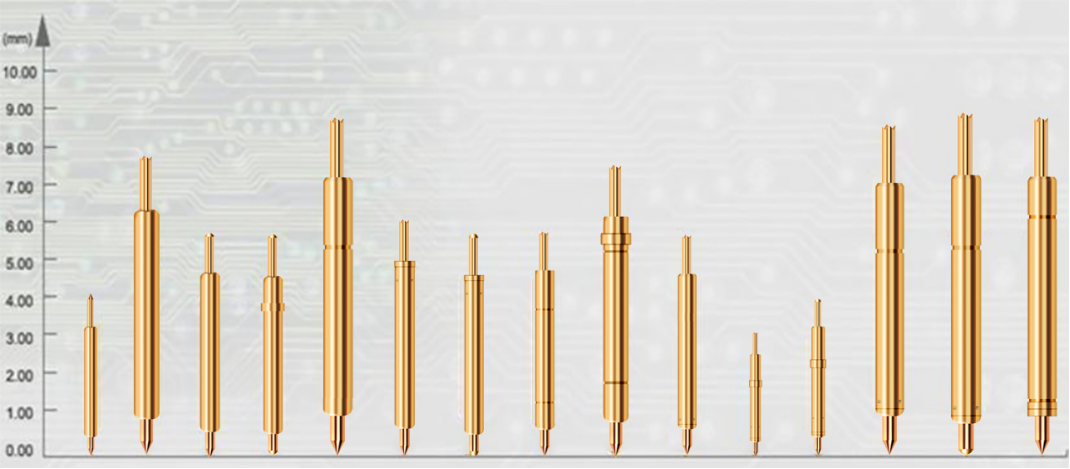

Time:2026-10-09Reading:771Second
Probe classification, each with its own application scenarios
The testing scenarios cover a wide range of fields, with different scenarios corresponding to different 'operational requirements'.For this reason, the probe family has also spawned multiple series, each with their own specialties and responsibilities:
1. Semiconductor probes - series:
Mainly used for various communication power electronic components, semiconductor wafer testing, chip packaging testing, etc., with extremely low contact resistance and ultra-high bandwidth, it can meet the requirements of 5-40G high-frequency signal testing. At present, Centalic can process the minimum probe diameter: needle diameter: 0.06mm/needle tube diameter: 0.10mm.
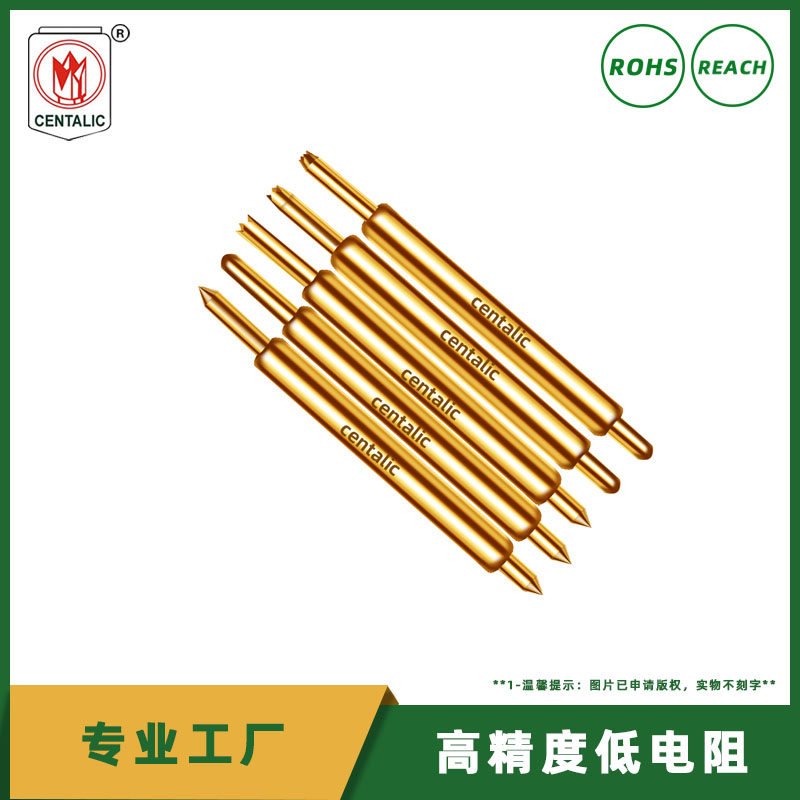
2. High current probes - series:
Mainly used in the field of online testing for high temperature and high current. Its characteristics are high testing current and high testing temperature conditions.
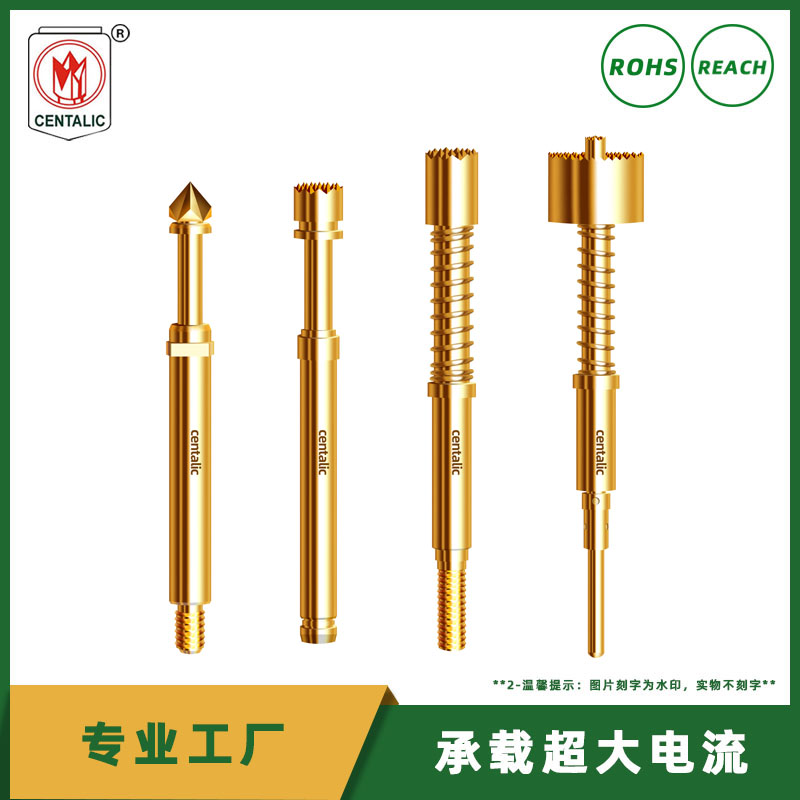
3. ICT Probe Series:
Mainly used for online circuit testing and functional testing, detecting the electrical performance of online components on the board and the connection status of the circuit network, and being able to quantitatively measure and perform functional testing on the components. Usually, ICT online testing needles are used together with their matching size needle sleeves, which are fixed on the PCB board for easy replacement of probes at any time.
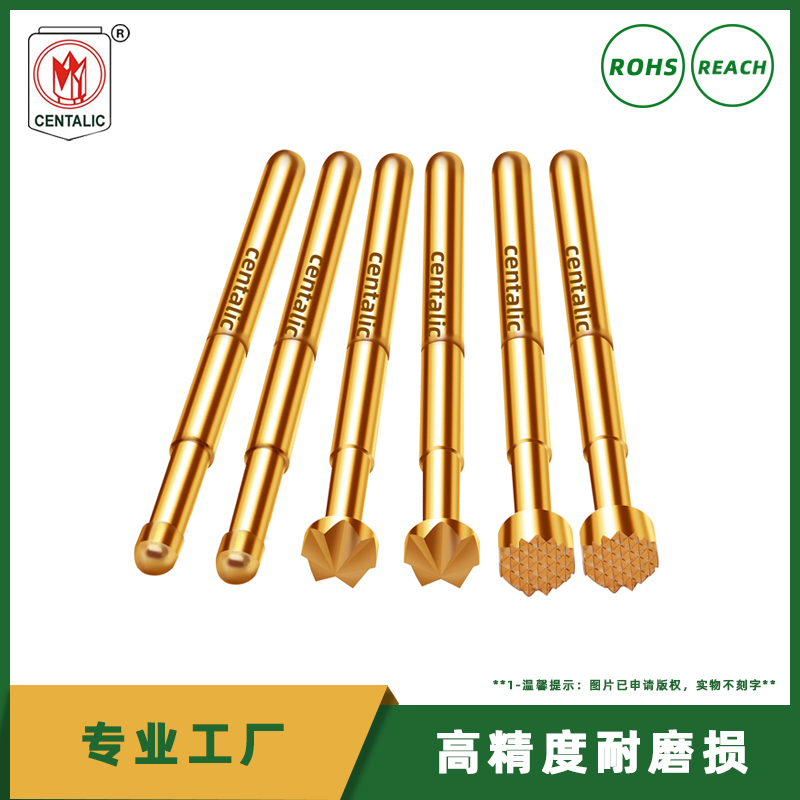
4. Kelvin Probe Series:
Mainly used in the field of resistance testing, it is suitable for testing electronic components with small and low resistance values.
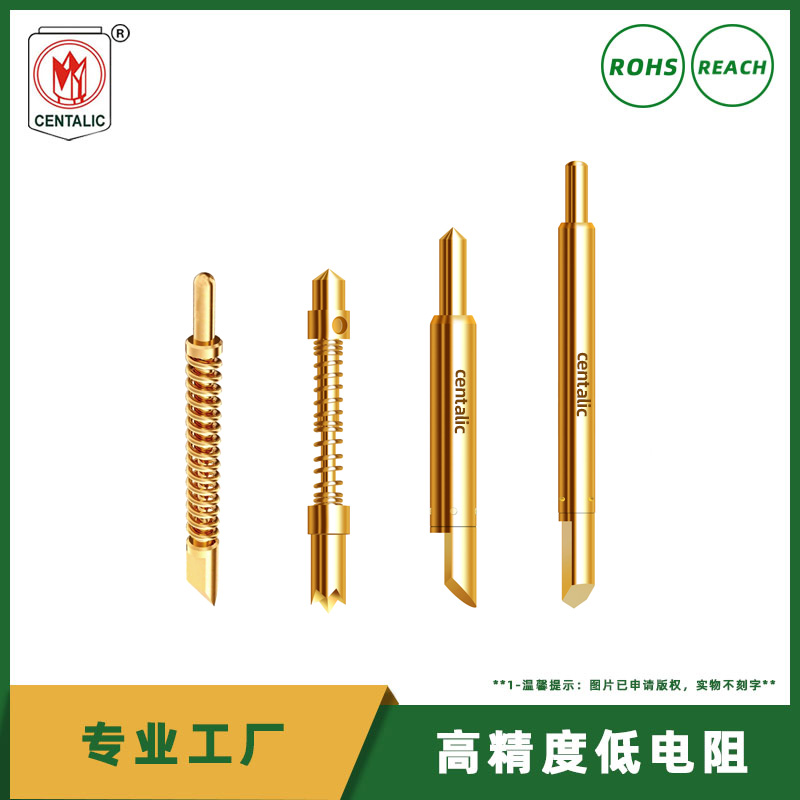
5. RF Probe - Series:
Mainly used for signal insertion, detection, and measurement output of high-frequency RF, RF, and microwave modules, as well as electrical performance analysis of high-frequency circuit boards. Having the characteristics of relatively concentrated signals that can pass through and low loss, there are very high requirements for the impedance and loss of RF probes in the testing of high-speed digital circuit boards and microwave chips. The design structure of RF probes is complex, with multiple components and high added value, and they are mostly customized.

6. Bullet Probe - Series:
Mainly used for testing precision spacing connectors such as mobile phones, chips, screens, etc. It has the characteristics of being able to handle smaller pitches, high testing efficiency, high stability, and long lifespan, and plays a role in transmitting signals and conducting currents.
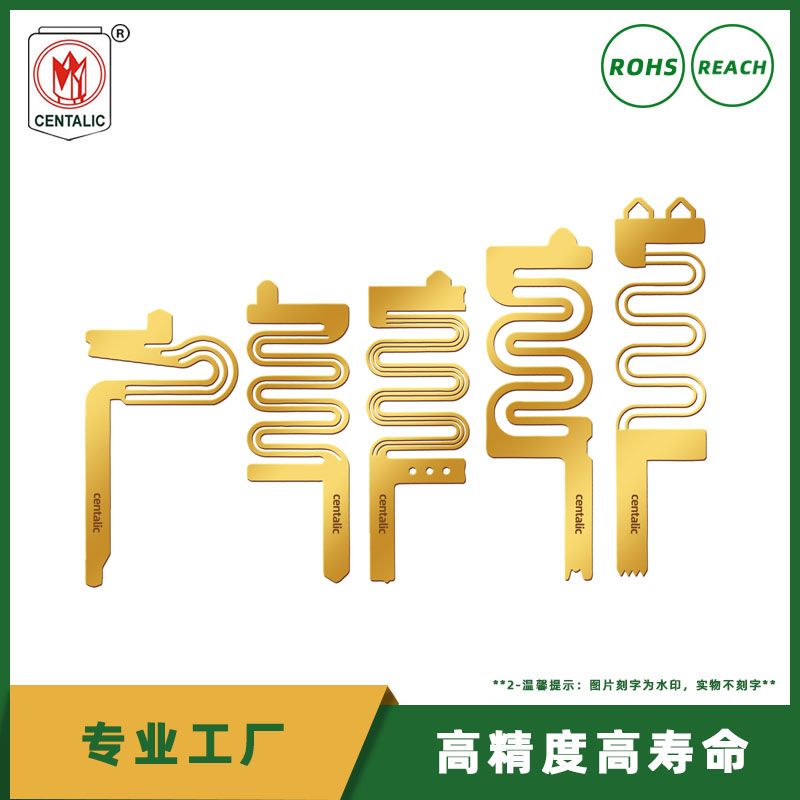
7. Non magnetic probes - series:
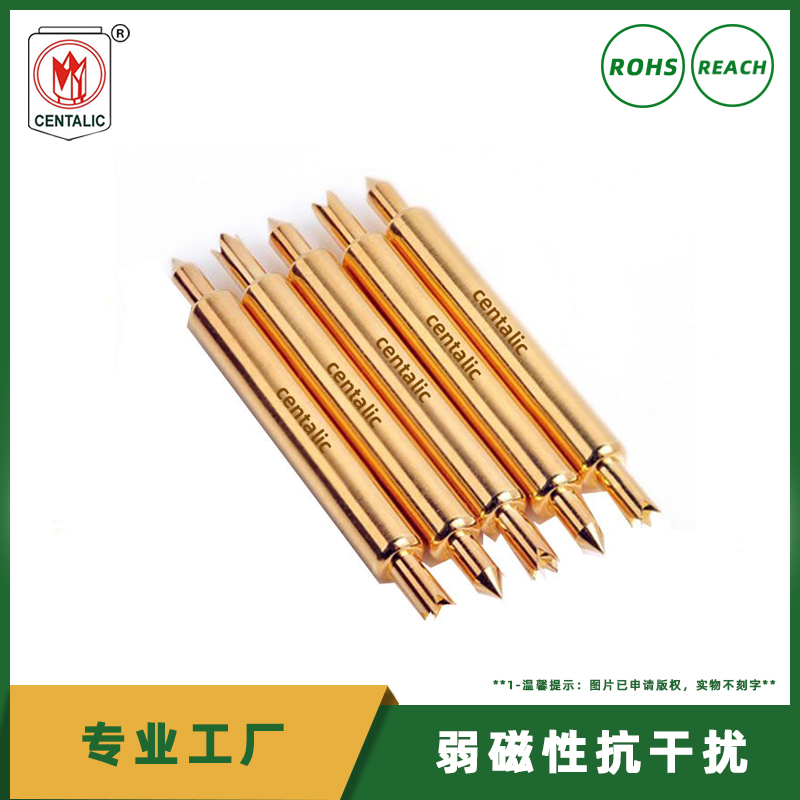
Made of non-magnetic materials, mainly used for areas that are difficult for inspectors to directly inspect. It can meet the testing requirements in special non-magnetic environments, such as the inspection of medical devices, underground or stored goods, and improve the safety factor during inspections in dangerous and difficult environments. It has been widely applied in multiple fields.
The role of probes in testing
Although the probe is small, it is a key link that affects the overall accuracy and reliability in testing. Its main functions can be summarized as follows:
1. Stable connection:Maintain low impedance electrical contact during the testing process.
2. Signal fidelity:Ensure that the waveform is not distorted during the transmission of high-frequency and high-speed signals.
3. Durability test:Can withstand tens of thousands of repeated contacts and maintain performance.
The application value of probes is indispensable in the industry
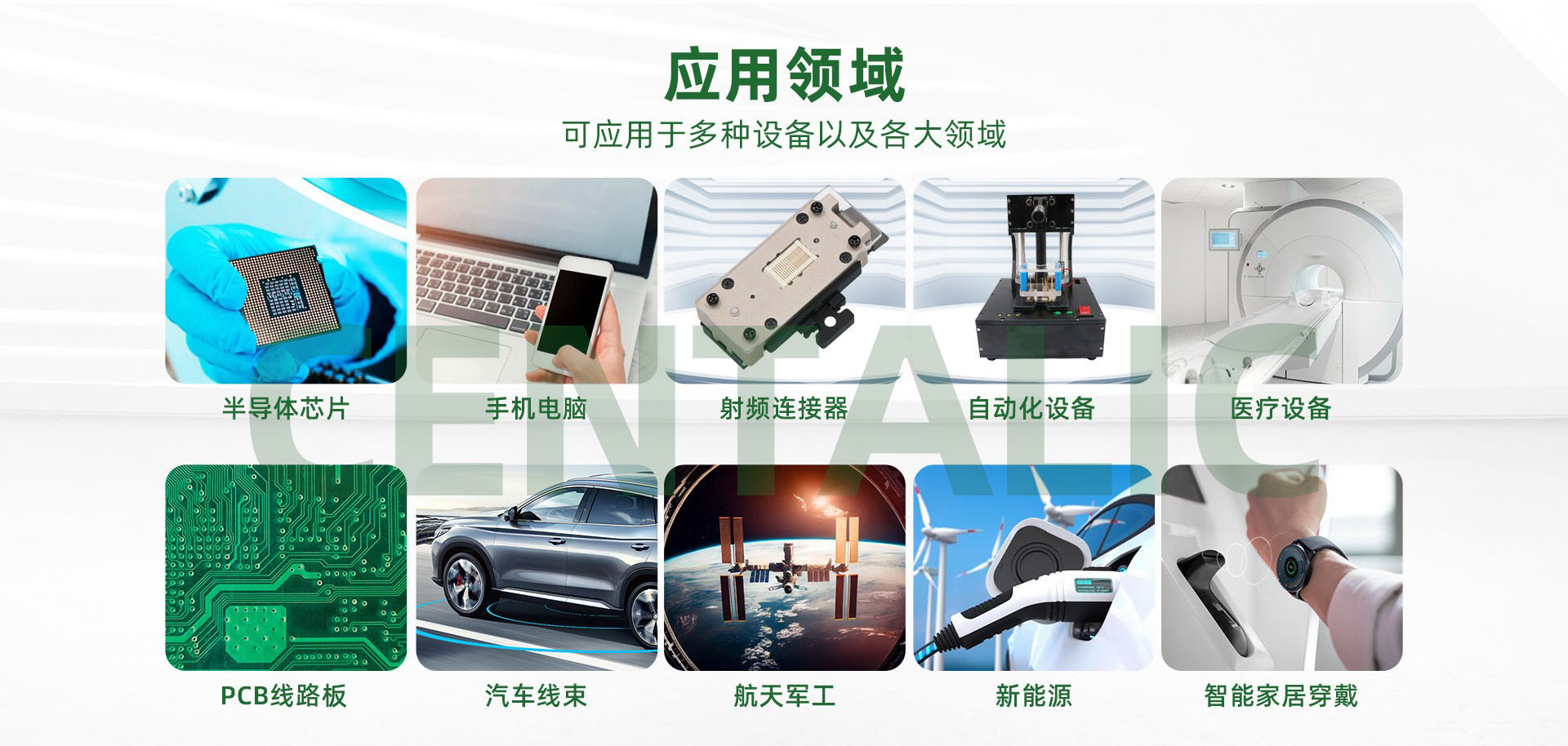
Test probes have been widely applied in many industries and are essential core components in the product testing process.
Consumer Electronics:During the mass production of mobile phones and computers, probes are the core of quality control. During the motherboard testing phase, hundreds of probes are precisely aimed at each testing point, while detecting components such as CPU, memory, and RF modules to screen out defective products such as virtual soldering and soldering.
Industrial Automation and Medical:A probe is a reliable tentacle for precise control.
Automotive Electronics and New Energy:Strictly verify the reliability of the battery management system and electric drive components to safeguard driving safety and energy efficiency.
High end technology frontier:Precision contact chip micro pins in the semiconductor field have completed electrical performance testing; In space testing, probes penetrate extreme environments, withstand high temperatures and pressures, and transmit key measured data.
Probe development trend
Consumer electronics are evolving towards miniaturization and high performance, with new technologies such as 5G-A and Wi Fi 7 constantly emerging, placing higher demands on probes. The future direction is clearer:
Smaller size:To adapt to high-density motherboard design, probes will be smaller and operate accurately in a narrower space to cope with more complex testing scenarios.
More durable:By optimizing the material, improving the coating process, and enhancing the fatigue strength of the spring, the service life of the probe will be further extended, supporting higher frequency mass production testing.
The 'cultivation path' of a probe
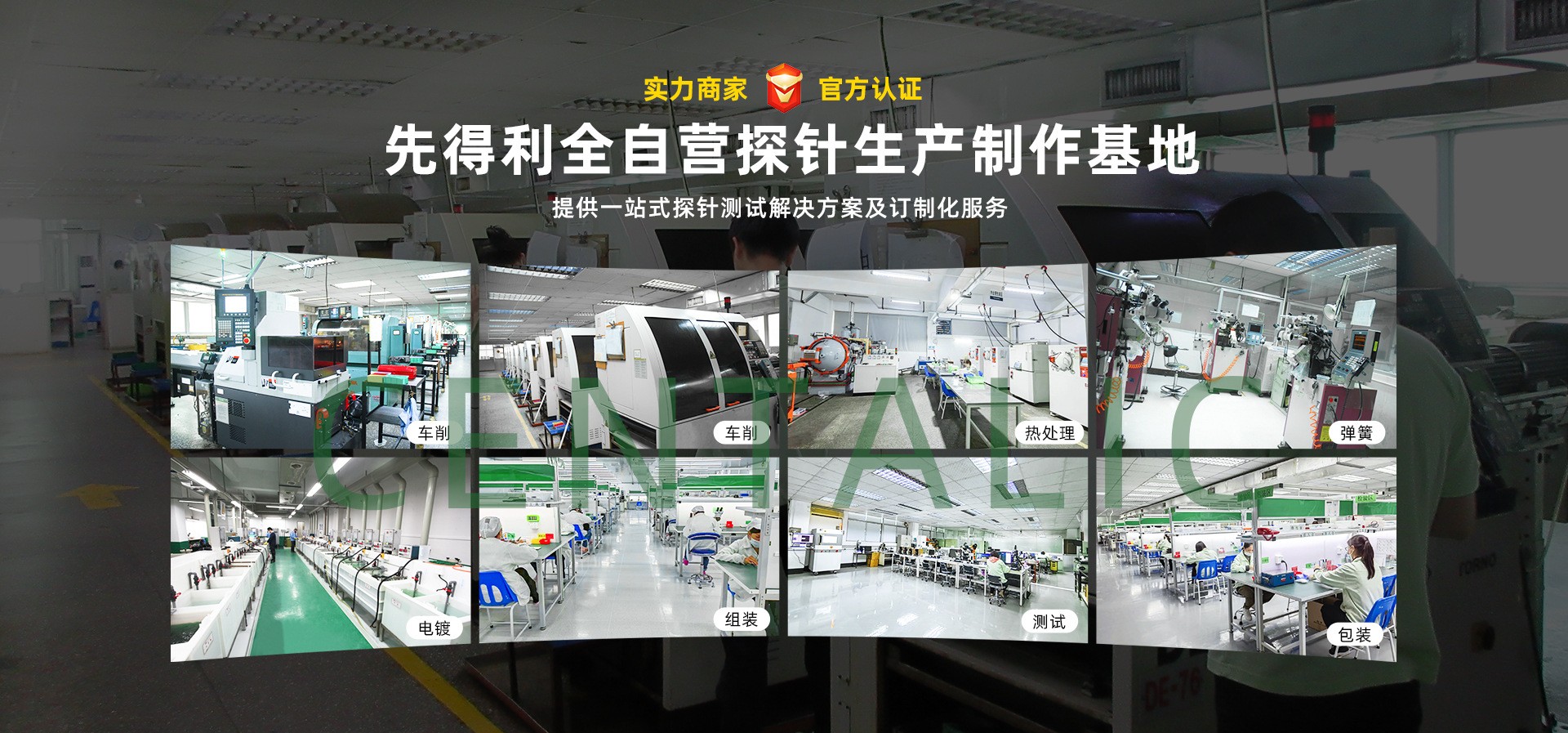
Even the best design must be made through craftsmanship. A probe has to go through seven stages: raw material input → turning processing → cleaning → heat treatment → electroplating → assembly → inspection and shipment. As a manufacturer specializing in probe research, production and sales for more than 40 years, Centalic completes all the above steps through its own production line, relying on standardized production processes to control delivery time and quality.
The small probe, despite its small size, is an invisible hero in the field of technology, silently guarding product quality and technological progress. In the future testing world, it will continue to improve and conquer with stronger strengthA vast field.