
Time:2026-07-08Reading:918Second
Behind smart devices such as smartphones and computers, there is a common core - semiconductor chips. And every chip, from the gravel like silicon wafer to the ultimate powerful computing power, has to go through hundreds of precision processes. One seemingly insignificant but crucial role among them is the semiconductor test probe.
Many people may feel unfamiliar with this name, but it is actually right beside us: the chips of electronic products such as your phone and office laptop have had countless "intimate contacts" with probes before leaving the factory.
So, what does this indispensable probe in semiconductor manufacturing look like? How does it work again?
A semiconductor test pin is a precision connecting device used for semiconductor testing. Its task is to act as a "bridge" between testing equipment and chips after the completion of chip manufacturing and before packaging and leaving the factory - to accurately transmit test signals to every pin of the chip, and then collect feedback signals to determine whether the chip is functioning properly and meeting performance standards.
If we compare the chip to a student about to take an exam, the probe is the examiner who passes the test paper and collects answer sheets. Without it, testing equipment cannot communicate with chips, and a large number of defective chips may enter the market, causing serious product quality problems.
Therefore, probes are also known as the "gatekeepers" of the semiconductor testing process.
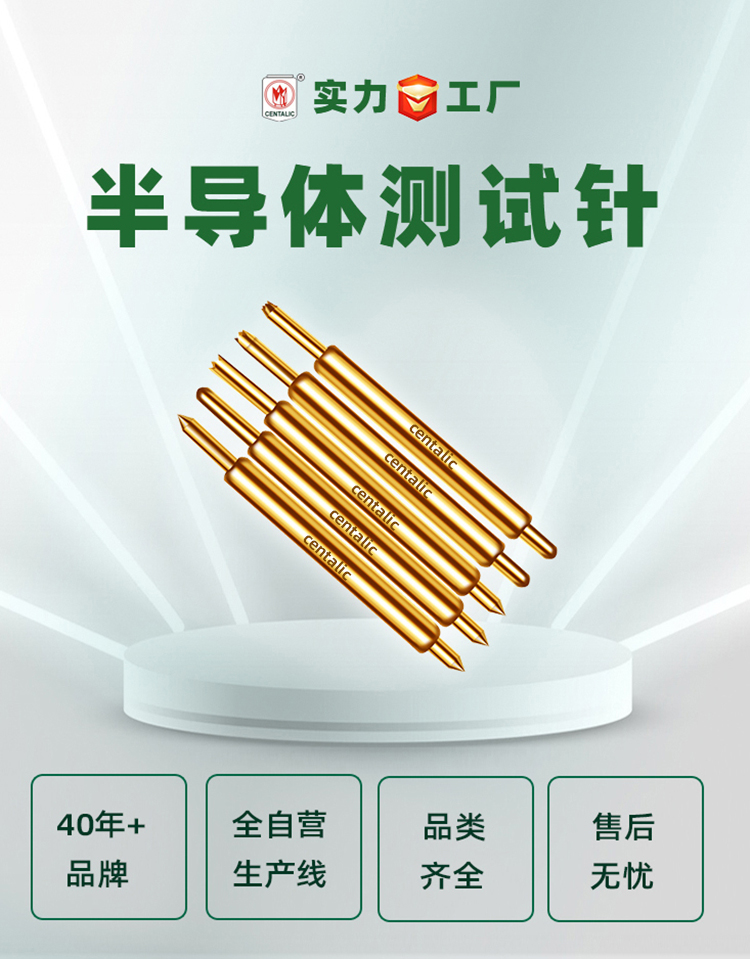
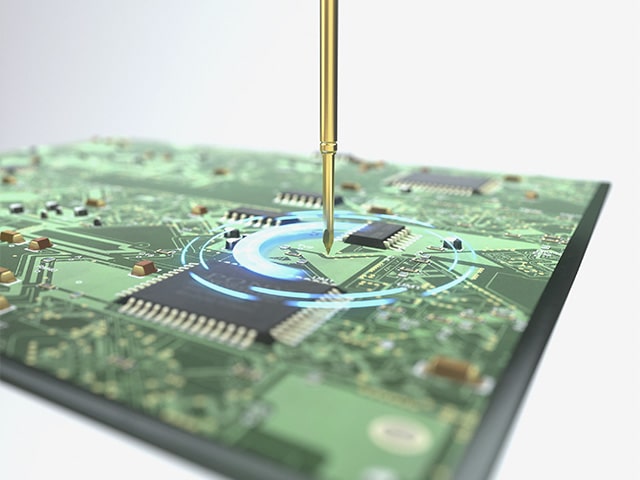
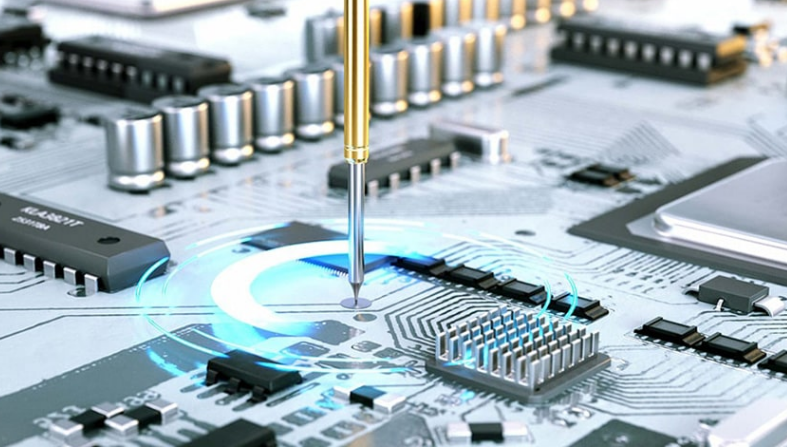
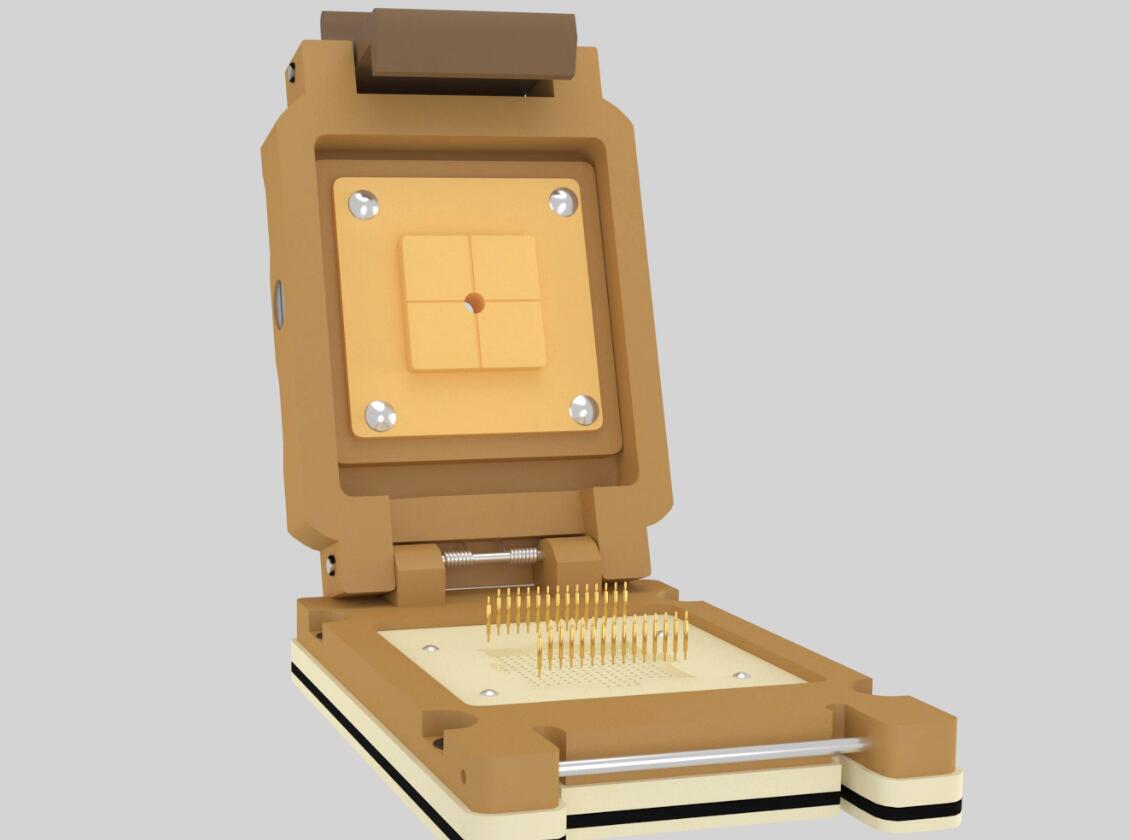
In wafer testing or packaging testing, probes are installed on probe cards or test stands. During testing, the device drives the probe to move downwards, allowing the needle to make precise contact with the pins or solder balls of the chip. Under the buffering effect of the spring, the needle and contact form a stable, low resistance electrical connection. Then, the testing machine applies voltage, current, and digital signals to the chip through probes, and collects the output response of the chip.
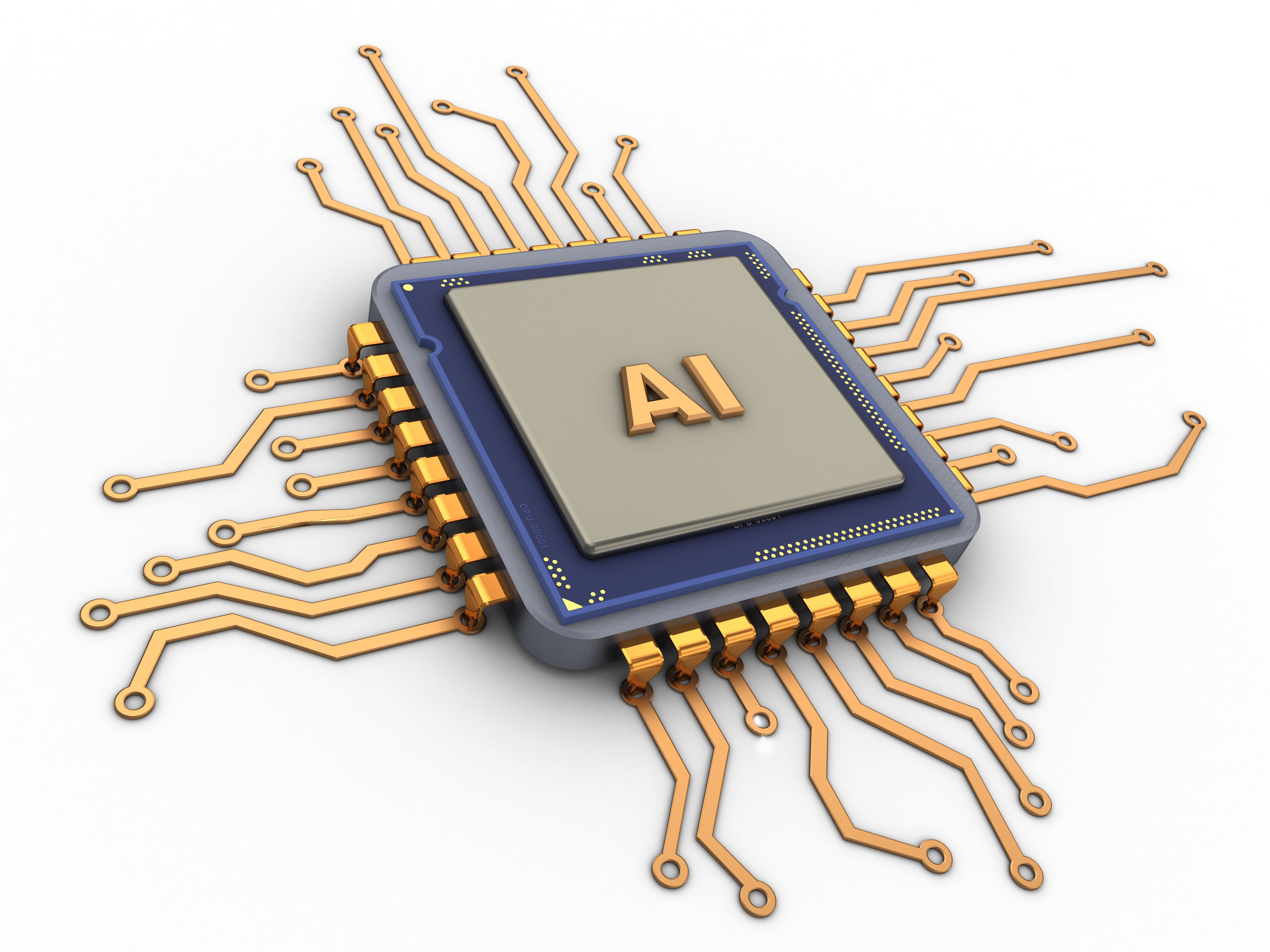
The entire process is completed in milliseconds. A complex AI chip may have thousands of pins, and the probe array needs to establish reliable contact with all pins simultaneously - this is equivalent to building thousands of "micro bridges" on an area the size of a grain of rice.
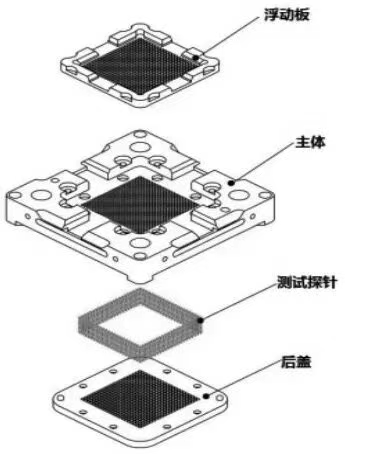
The application of probes runs through the entire process of chip manufacturing, mainly including three stages:
Design verification:After the chip design is completed, functional verification of the engineering sample is carried out using probes, and design defects are discovered.
Wafer Testing (CP):Before wafer cutting, conduct electrical performance testing on each chip to eliminate defective chips and avoid packaging waste.
Packaging Test (FT):After the chip packaging is completed, conduct final testing again with probes to ensure that the factory product meets performance standards.
It can be said that from the "birth" to the "graduation" of a chip, the probe is always present, and every contact is a quality check.
Due to the complex production process of semiconductor products, any process error can lead to a large number of product quality defects and have a significant impact on the performance of end use products. Therefore, choosing a good probe manufacturer is particularly important in semiconductor manufacturing.
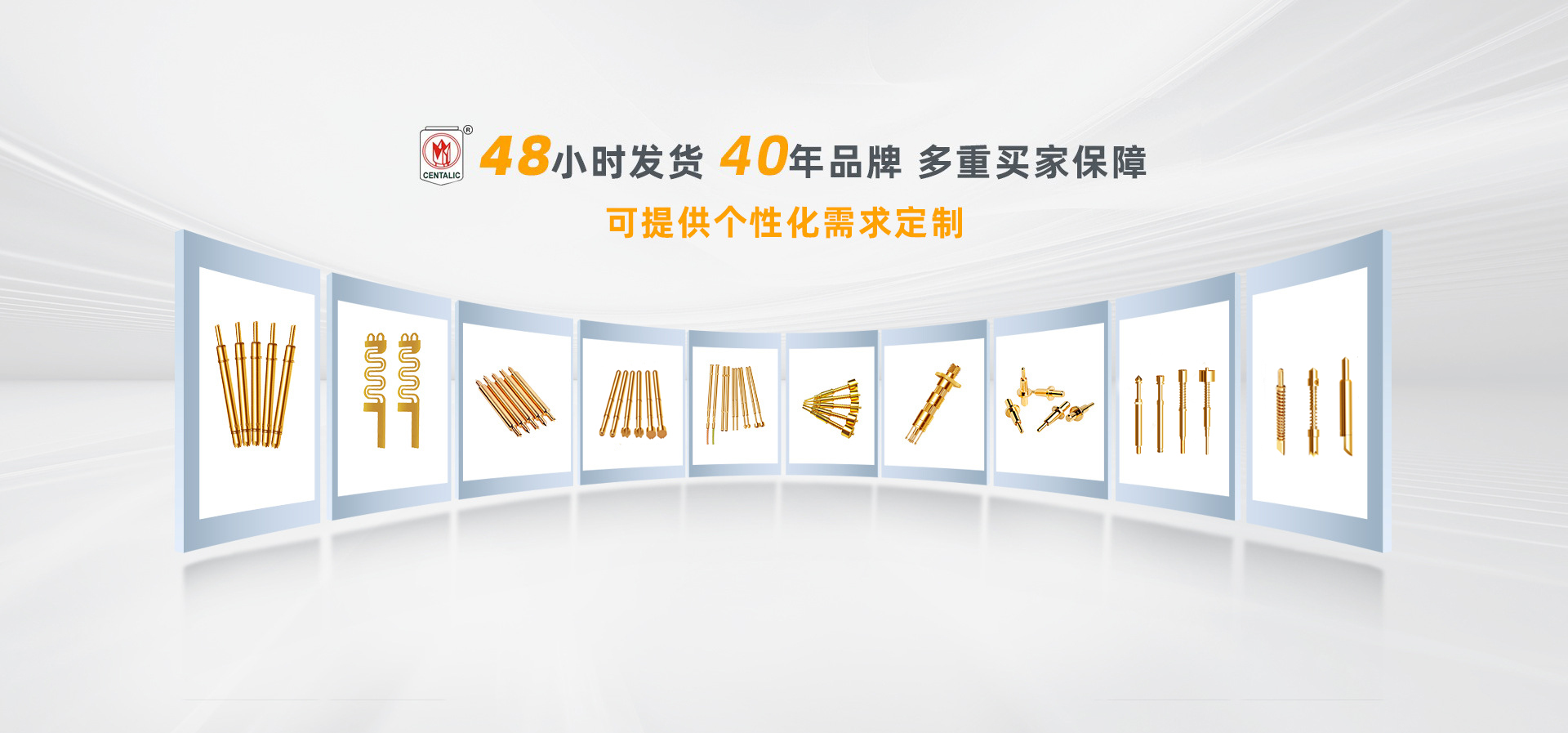
Centalic has been focusing on probe research and development production for over 40 years, with a complete "one-stop" production line. After the raw materials are received, they undergo turning, cleaning, and heat treatment—Electroplating - Assembly—Inspection and shipment, each process link is controlled by our self operated production line, with standardized production processes, strict control over delivery time and quality.
Although small, probes are indispensable "gatekeepers" for semiconductor testing. From wafers to finished chips, every precise contact is a quality check. Choosing a reliable probe manufacturer is adding a guarantee to product yield and brand reputation.
The small probe measures not only the yield, but also the determination of quality.