
Time:2026-03-27Reading:1634Second
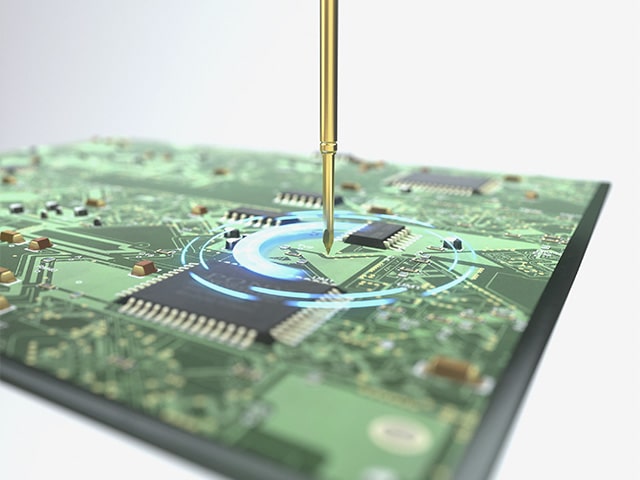
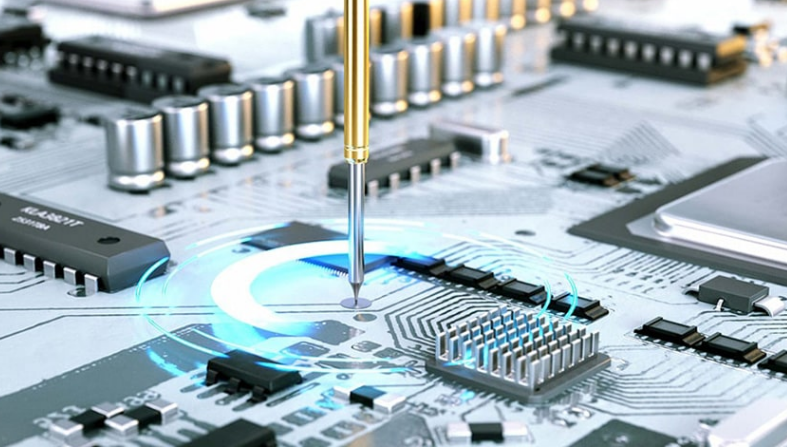
In the fields of electronic manufacturing and semiconductor packaging and testing, test probes are the "gatekeepers" to ensure product quality. Faced with different testing scenarios, engineers often hover between shrapnel needles and semiconductor testing needles.
Many people think they are just different in shape, but in reality, there is a world of difference between the two in terms of design logic and application scenarios. This article takes you to "understand at a glance" their core differences.
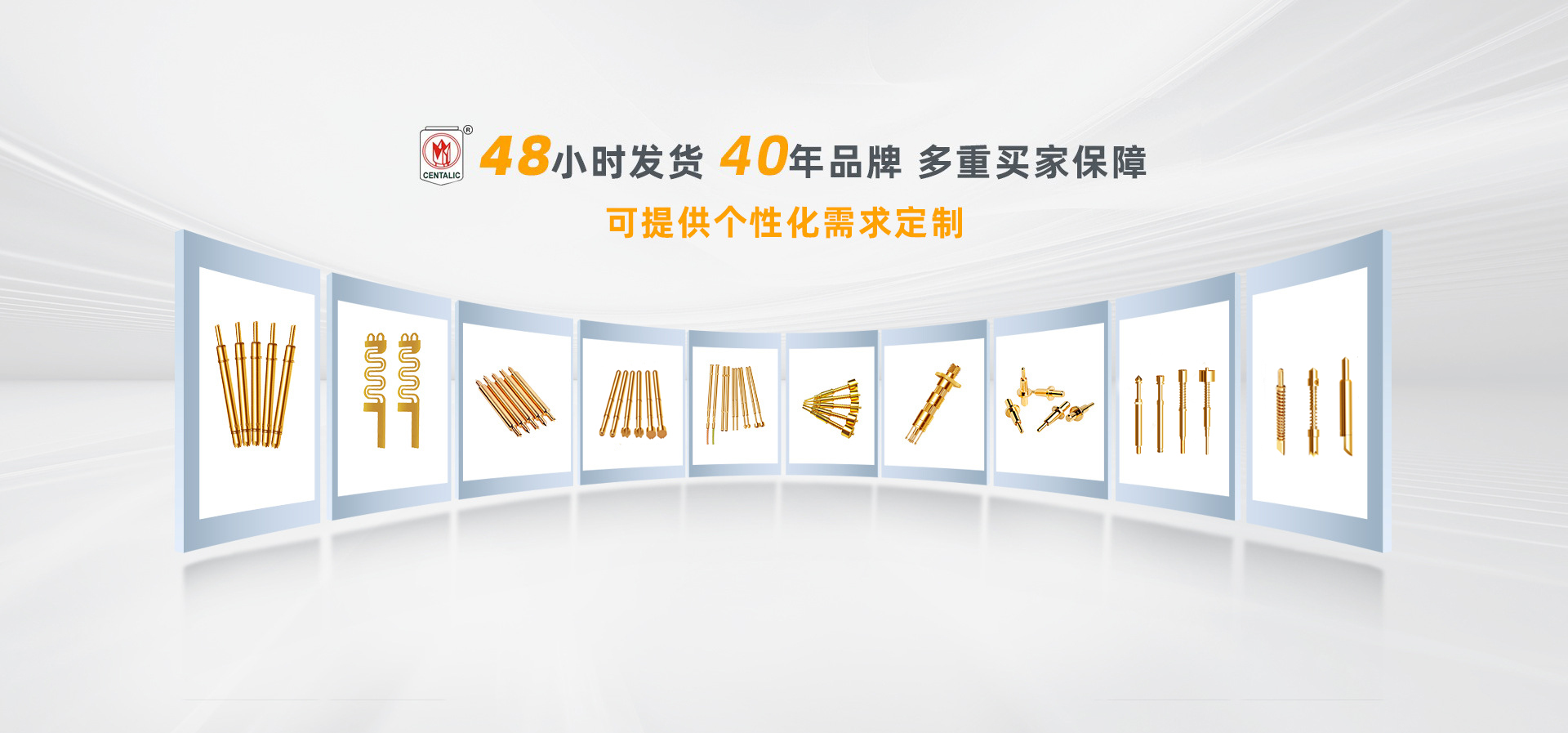
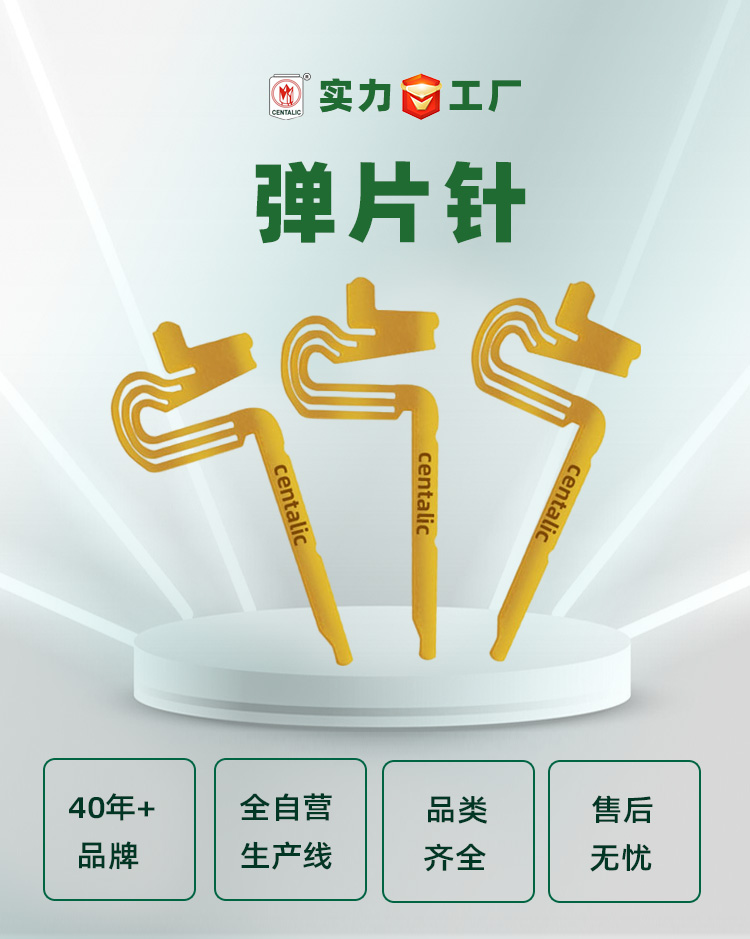
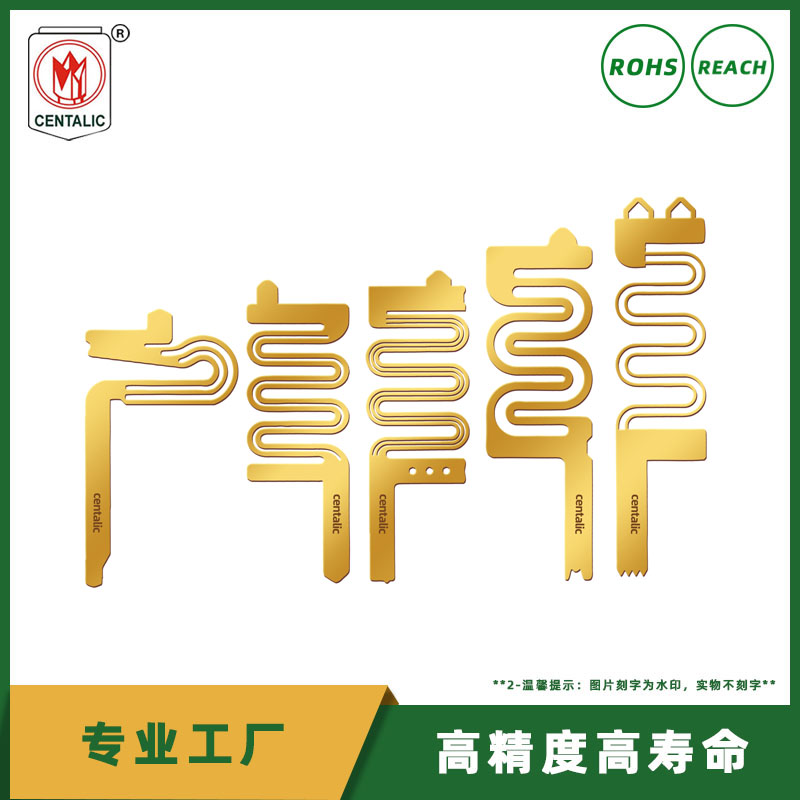
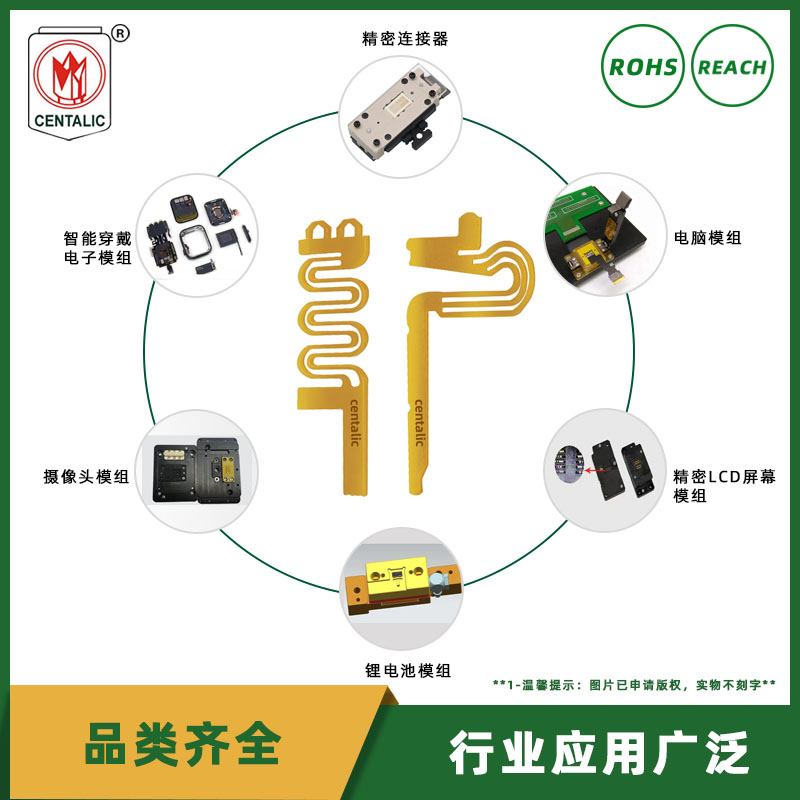
Bullet needle:Also known as shrapnel probe, it is a one-piece formed structure, generally made of nickel alloy material, made through special processes, and later treated with hard gold plating. The bullet needle is lightweight and integrated, and the contact shape can be customized according to the connector shape and customer requirements. Different head shapes are used to contact different test points, which plays a good connecting role and ensures the stability of testing.
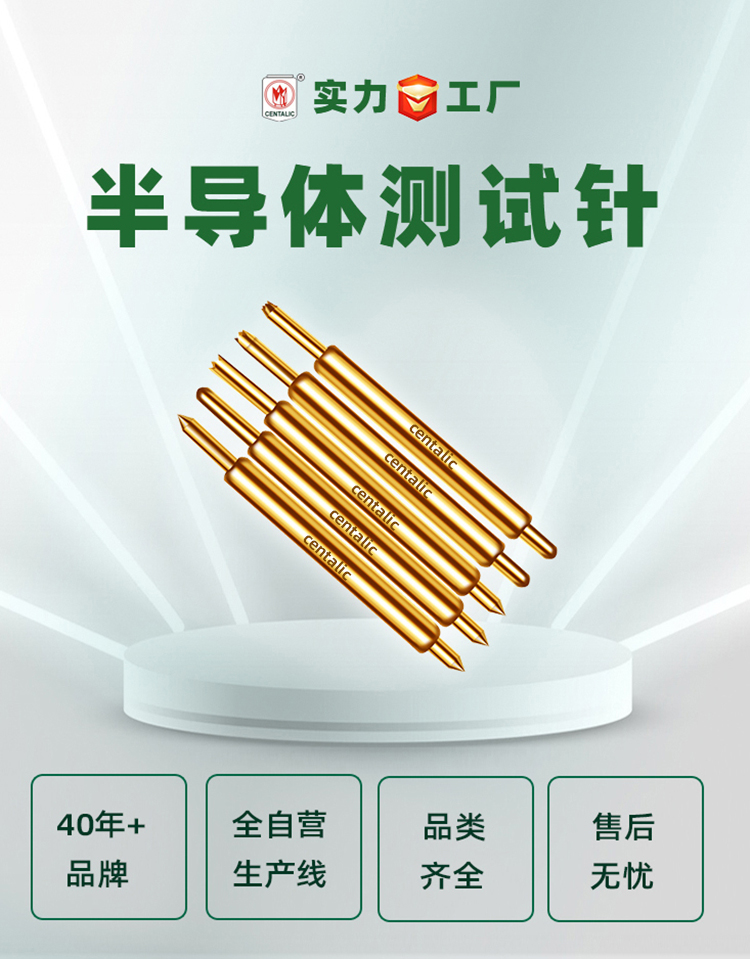
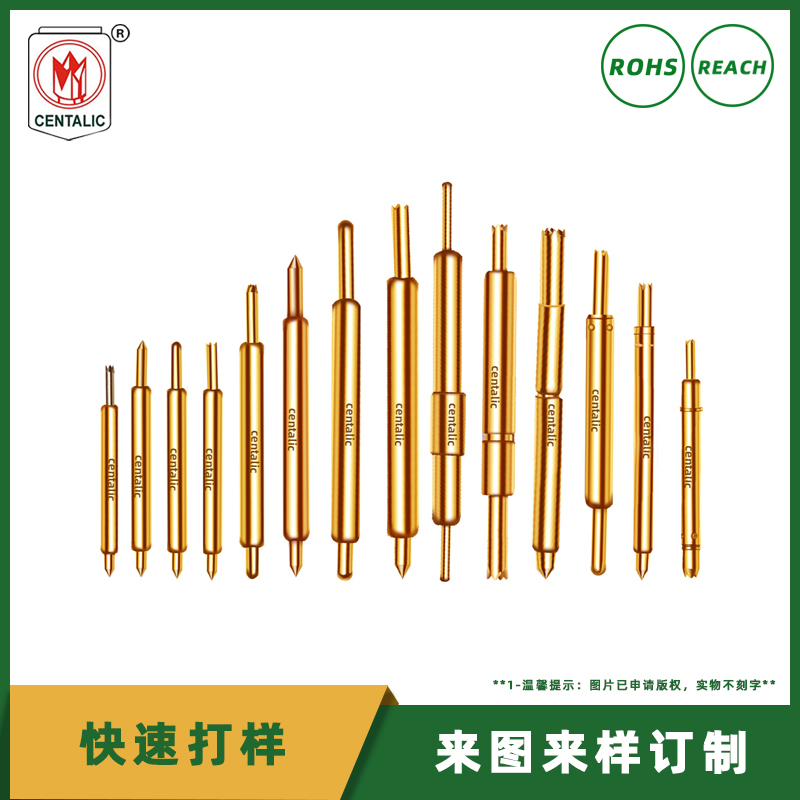
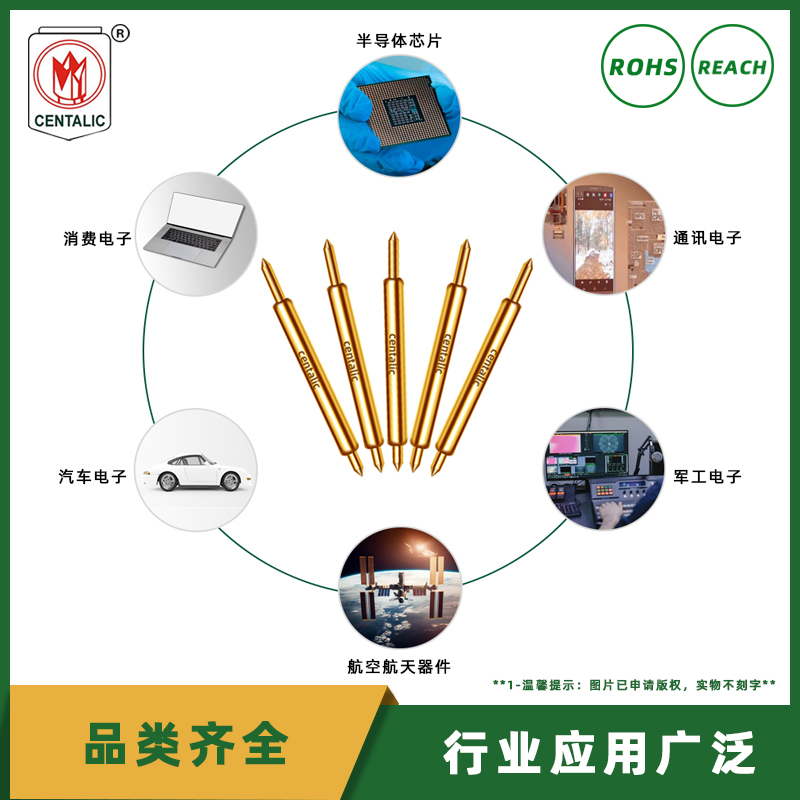
Semiconductor test needle:Formed by precise instrument riveting and pre pressing of three basic components: needle, needle tube, and spring. The surface is gold-plated, and the manufacturing process is relatively complex.
At a glance, I understand:
Bullet needle=a curved piece of metal (one-piece structure).
Semiconductor testing needle=needle spring needle tube (three piece set assembly).
Bullet needle:The core advantage lies in handling testing scenarios with smaller pitch distances. Due to its lightweight and integrated structure, the bullet needle can achieve an extremely fine pitch array layout, with characteristics such as being able to handle smaller pitches, high testing efficiency, high stability, and long lifespan, playing a role in transmitting signals and conducting current.
Semiconductor test needle:The core advantage lies in the precise control of electrical performance. It has stricter requirements for parameters such as contact resistance, bandwidth, impedance matching, and signal loss. High quality semiconductor test pins can meet the testing needs of 5-40G high-frequency signals and are widely used in scenarios that require extremely high signal integrity. At the same time, they have the characteristics of high precision and low resistance to meet the strict requirements of semiconductor products for testing accuracy.
At a glance, I understand:
Bullet needle: small spacing, simple structure, long lifespan.
Semiconductor testing needle: high precision, controllable electrical parameters, low signal loss.
Test probes are consumables, and their lifespan directly affects testing costs.
Bullet needle:Due to its simple structure and absence of internal friction components, it typically has a very high mechanical lifespan. Under micro stroke, the lifespan of the shrapnel needle is over 200000 times. Its failure mode is usually metal fatigue, and once it fractures or its elasticity declines, it must be replaced as a whole.
Semiconductor test needle:Due to the precise spring and friction structure inside, the clearance between the needle and the needle tube may increase due to wear or fatigue of the spring after long-term use. Its lifespan is usually shorter than that of a bullet needle. But its biggest advantage lies in maintainability - if the needle is damaged, usually only a single probe needs to be replaced without scrapping the entire fixture.
At a glance, I understand:
The shrapnel needle "ends up dead" and the entire module is replaced, and the semiconductor testing needle "pulls out which one is broken".
Bullet needle:Mainly used for testing precision spacing connectors such as mobile phones, chips, screens, etc., it adapts to connectors with different spacing through the deformation of spring pieces, achieving signal transmission and conductivity testing.
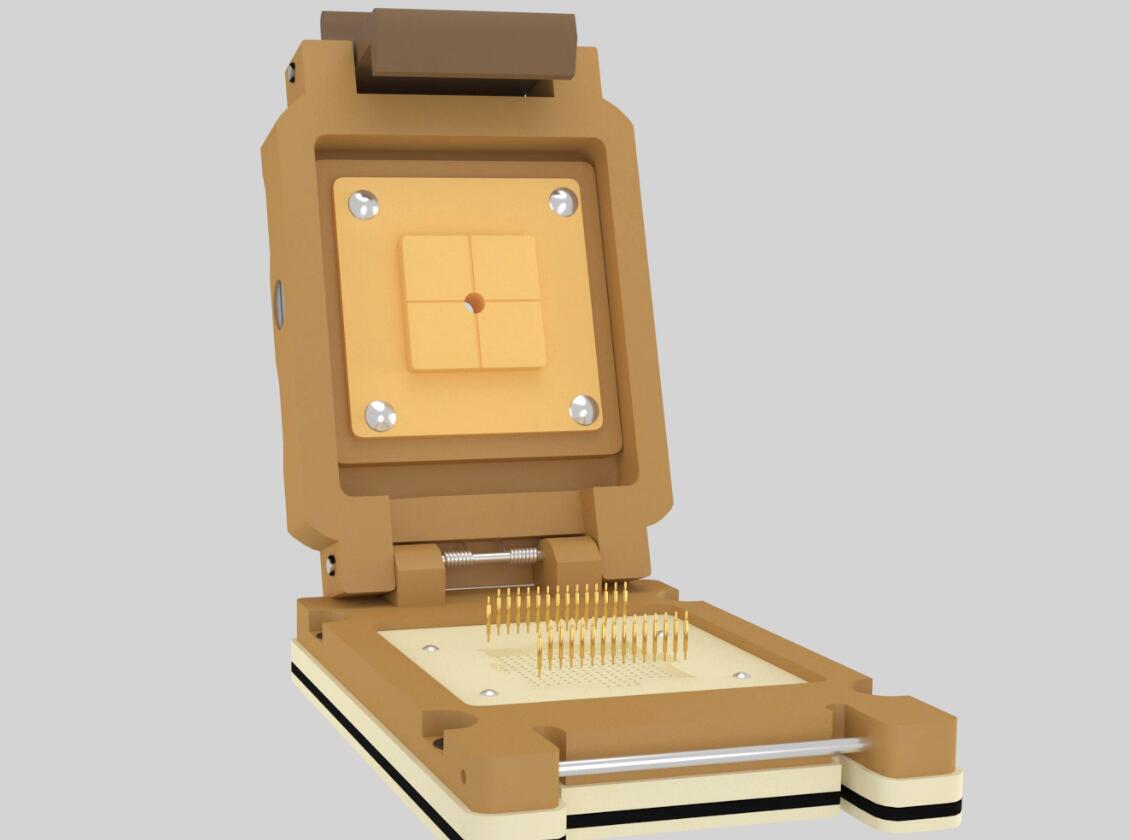
Semiconductor test needle:Mainly used for extremely low contact resistance and ultra-high bandwidth in various communication power electronic components, semiconductor wafer testing, chip packaging testing, etc., it can meet the requirements of 5-40G high-frequency signal testing.
At a glance, I understand:
Bullet needle: Precision connector testing (high-density scenarios such as mobile phones, chips, screens, etc.)
Semiconductor testing pins: wafer and packaging testing (communication power components, semiconductor front-end and back-end testing)
Whether it is a shrapnel needle or a semiconductor testing needle, the performance ultimately depends on the process precipitation and quality control capabilities of the probe manufacturer. Centalic is an enterprise with a "fully self operated large-scale" probe production line, focusing on the research and manufacturing of various testing probes. After the raw materials are received, each process step including turning, cleaning, heat treatment, electroplating, assembly, inspection and shipment is controlled by our self operated production line, with strict control over delivery time and quality. Its products are widely used in the testing process of various electronic and peripheral products, providing one-stop testing solutions and customized probe services to help customers achieve accurate and stable testing connections in different application scenarios.
Bullet needles and semiconductor testing needles are not necessarily superior or inferior, but rather solutions designed for different pain points.
Only by understanding these core differences can we truly achieve targeted solutions when designing testing plans, avoiding testing distortion or cost control caused by selection errors.