
Time:2026-04-27Reading:1305Second
According to the latest forecast from Jibang Consulting, the global mobile phone direct satellite market is expected to reach $7.6 billion by 2026, with a year-on-year growth rate of approximately 49%, making it a very rapidly growing field in the telecommunications industry.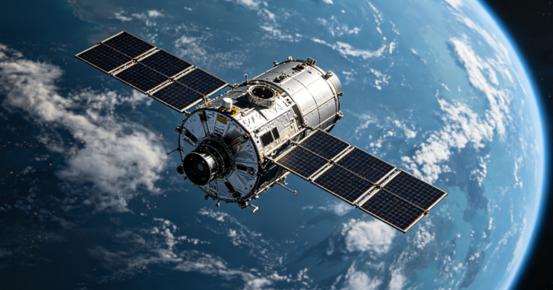
With the continuous improvement of relevant communication standards and the increasing maturity of mobile phone direct satellite technology, many satellite companies have shifted from traditional satellite broadband to providing mobile phone direct satellite services.
The biggest use of this technology is to solve the communication problem in remote areas without ground base stations, and to transmit information faster during emergency rescue.
The fastest moving industry is Starlink, which launched Starlink Mobile at MWC in 2026, using a new generation of low Earth orbit satellites to enhance signal stability and expand services from SMS to voice and video. AST SpaceMobile also plans to launch a complete service covering SMS, voice, and video in the United States and Japan by 2026.
The user base is also rapidly expanding, extending from individual users to enterprise customers such as mining and agriculture. They also need to transmit data in real-time in areas with poor signals and are willing to subscribe to related services. Both top companies have focused on expanding into the US market in the early stages, starting with developing business cases.
The entire supply chain also benefits. The upstream mainly includes key modules such as antennas, RF, and chips, while the midstream focuses on satellite base stations and system integration. The downstream includes mobile phone manufacturers and telecommunications operators. Brands such as Samsung and Vivo are already integrating relevant satellite communication chips and cooperating with operators to launch services. In the future, more ordinary mobile phones will use direct satellite connectivity.