
Time:2026-04-24Reading:2124Second
With the acceleration of global green energy transformation, the conservative pattern of the Japanese automotive market is being broken by the wave of electric vehicles.
According to the latest data released by the Japan Automobile Importers Association, the number of newly registered foreign brand imported cars in Japan for the fiscal year 2025 reached 238000, a year-on-year increase of 3.4%. This data is of milestone significance as it marks the first time in seven years since 2018 that the market has achieved annual positive growth.
In this wave of recovery, Chinese car brands have performed exceptionally well. Statistics show that imported pure electric vehicles will perform particularly well in 2025, with annual registration exceeding the 30000 mark for the first time in history, reaching 30513 vehicles.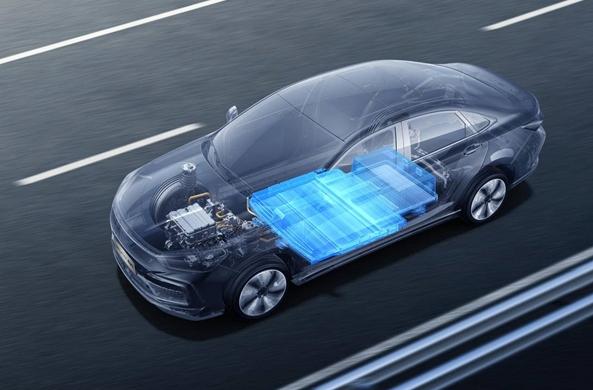
The changes in this series of data indicate a fundamental shift in Japanese consumers' attitudes towards overseas electric vehicle brands. At present, the market share of foreign brand pure electric vehicles in Japan has climbed to 12.6%, which is the key threshold for this share to exceed 10% for the second consecutive year.
After entering the first quarter of this year, the Japanese electric vehicle market has shown a more fervent growth trend. Automakers sold a total of 26969 electric vehicles in Japan, a year-on-year increase of up to 80%, and the market potential is accelerating.
The core driving force behind this transformation comes from policy dividends. The Japanese government significantly adjusted the promotion subsidies for clean energy vehicles in March, raising the subsidy limit for pure electric vehicles by 400000 yen, with a maximum of 1.3 million yen. This direct financial incentive greatly reduces the threshold for purchasing a car.
In addition to favorable internal policies, the turbulence in the external energy environment has also become a catalyst. The global energy crisis triggered by the Middle East conflict has pushed up international oil prices, resulting in a sharp increase in domestic fuel costs in Japan. In this context, electric vehicles with lower operating costs have naturally become consumers' first choice.
For a long time, Japan has been seen as a tough spot for imported cars, but the wave of electrification is giving overseas brands, especially Chinese car companies, an excellent entry point. Chinese car companies, with their profound accumulation in the industrial chain and battery technology, are gaining more and more recognition from consumers in this once closed market.
The reshaping of this market structure not only reflects a change in energy preferences, but also reflects the transformation of Japanese automotive consumer culture from relying on local brands to being technology driven. It can be foreseen that with the improvement of infrastructure, the market territory of imported electric vehicles in Japan will continue to expand.