
Time:2026-08-10Reading:1011Second
According to the "15th Five Year Plan for the Construction of New Power Systems" recently issued by the National Development and Reform Commission and the National Energy Administration, by 2030, the total amount of charging infrastructure in China will exceed 40 million, with about 300000 high-power charging facilities, forming a charging service capacity to support more than 110 million electric vehicles. This means that the total number of charging facilities will double on the existing basis in the next 5 years.
As of the end of December 2025, the total number of charging infrastructure in China has reached 20.092 million, a year-on-year increase of 49.7%, surpassing the 20 million mark.
Among them, there are about 4.717 million public charging facilities and about 15.375 million private charging facilities.
The Action Plan released by the State Council in October 2025 has proposed to build 28 million charging facilities nationwide by the end of 2027, meeting the charging needs of over 80 million electric vehicles. From 20 million to 40 million, the charging facilities will double again during the 15th Five Year Plan period.
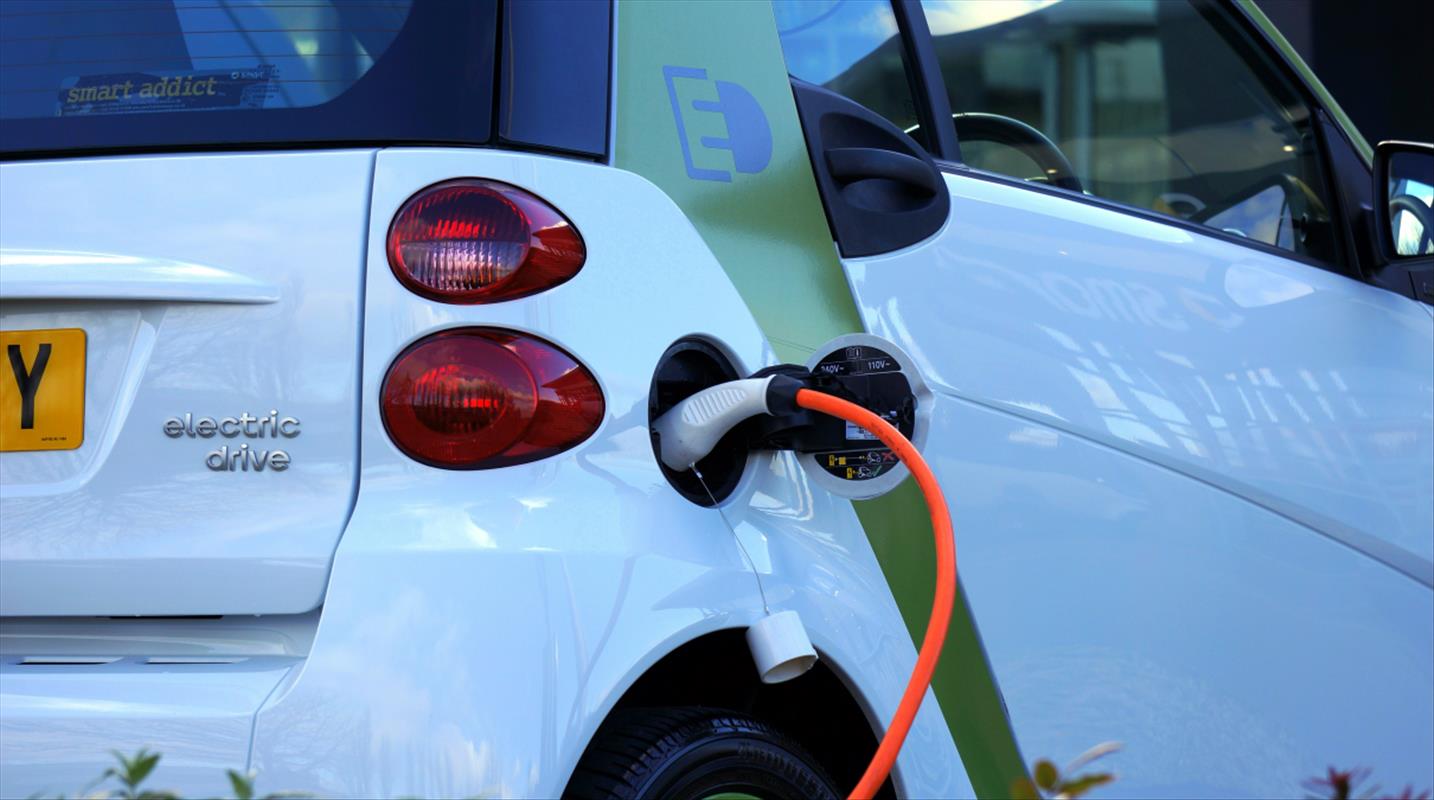
The plan proposes to accelerate the construction of a charging infrastructure network with urban surface, highway linear, and rural point layout.
In terms of highways, we will promote the upgrading and transformation of charging facilities in service areas, and create an intercity network that meets the needs of medium and long-distance travel.
By the end of 2025, the coverage rate of charging stations in highway service areas has exceeded 98%, but there are only about 10000 high-power charging facilities suitable for heavy trucks, accounting for 14%. The plan clearly combines the layout of major national freight channels and the construction of high-power heavy-duty truck charging facilities along the route.
In terms of rural areas, the plan proposes to achieve full coverage of public charging facilities in rural counties and townships, except for islands and high-altitude areas.
By 2025, the penetration rate of new energy vehicles in counties and rural areas will be less than 20%, significantly lower than the national average.
In 2026, the No. 1 central document will include new energy vehicles in the key support fields of rural revitalization for the first time, and the construction of rural charging network is regarded as the key to leveraging the sinking market.
In terms of fast charging and high-power charging, the plan requires increasing the proportion of fast charging facilities and orderly promoting the construction of high-power charging infrastructure.
At present, high-power charging facilities with a single gun power of over 250kW are accelerating their popularity. Shenzhen has issued local standards for supercharging, specifying that the rated power of a single gun should not be less than 480kW. The planned goal is to have 300000 high-power charging facilities, which is a step higher than the goal of striving to have over 100000 units by the end of 2027.
In terms of charging in residential areas, the plan proposes to improve the level of charging station installation and connection services, promote the implementation of a batch of "unified construction and unified service" pilot projects, continuously optimize the environment of charging stations, improve information labeling such as fees, and enhance the level of facility operation and maintenance.
In addition, during the "15th Five Year Plan" period, the fixed assets investment of the national power grid reached more than 5 trillion yuan, an increase of more than 80% over the "14th Five Year Plan" period, providing the underlying support for the upgrading of the charging network.