
Time:2026-05-05Reading:1269Second
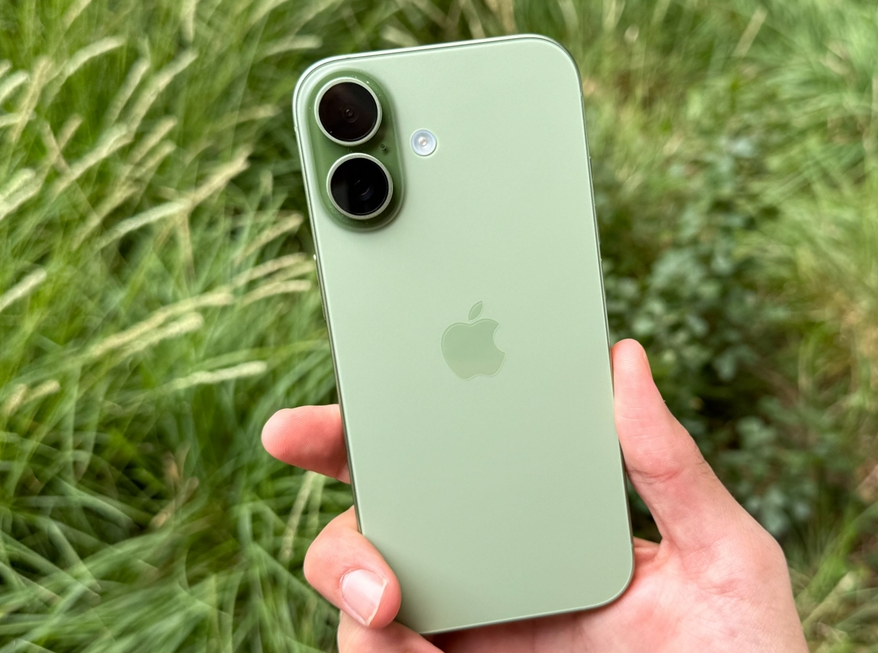
According to reports, OpenAI, an AI big model giant with a valuation of over 800 billion yuan, plans to develop its own AI smartphone, which is expected to be mass-produced by 2028. It will be manufactured by Luxshare Precision and is currently collaborating with MediaTek and Qualcomm to develop processors.
As soon as the news came out, the stock price of Lite On Precision surged by over 9%, reaching a historic high.
Altman, CEO of OpenAI, also said that it is necessary to rethink the operating system and interface design to create an Internet protocol suitable for agents.
Why are big model companies building machines one after another? The core reason is to not want to be "choked" by Apple and Google anymore.
Firstly, get rid of third-party terminal dependencies. At present, large models such as GPT and Doubao can only run on third-party phones in the form of apps, and cannot be deeply bound to hardware, making it difficult for services to be fully implemented. Self developed mobile phones can create exclusive carriers, achieve full chain control from cloud models to terminal hardware, and complete commercial closed loops.
Secondly, break through the shackles of system permissions. The existing iOS and Android systems are not designed for AI big models, and permission restrictions prevent AI agents from collaborating across applications and autonomously scheduling computing power. Our self-developed mobile phone can deeply customize the underlying system, allowing large models to fully utilize their intelligent decision-making and task execution capabilities.
Thirdly, master the core data resources. Mobile phones are the devices with the richest user data, and their location, schedule, usage habits, and other information can be continuously optimized to enhance service accuracy and competitiveness.
Finally, seize the entrance to the AI ecosystem. Mobile phones are still the most important traffic and application distribution platform. Controlling mobile phones can grasp the ecological dominance of the AI era, replace traditional apps with AI agents, and reconstruct the mobile Internet landscape.