
Time:2026-09-18Reading:1146Second
TSMC's advanced process production capacity is fully booked, with 3nm meeting the standard two to three months ahead of schedule and 2nm also sprinting simultaneously, making the two major processes tight across the board.
According to supply chain sources, TSMC's 3nm wafer production was originally expected to reach 180000 wafers per month by the end of this year, compared to Nvidia's AMD、 Under the continuous pursuit of orders from major clients such as Broadcom, it is expected to meet the target earlier than the beginning of the fourth quarter.
In the first half of the year alone, the monthly production of 3nm wafers has approached 150000 wafers, and the progress is significantly faster than expected.
2nm is also very popular here, with a monthly investment of 50-60000 films in the first half of the year. It is expected to exceed 80000 films at the beginning of the fourth quarter and move towards the goal of 100000 films per month by the end of the year.
By calculation, at the beginning of the fourth quarter, TSMC's total monthly investment in 2nm and 3nm wafers will exceed 260000, becoming the main driving force for the company's continued revenue growth this year.
In order to meet customer needs, TSMC has expanded its production in succession. Three new 3nm fabs have been added, which are located in Taiwan, China, Arizona and Japan. At the same time, TSMC continues to convert 5nm equipment to support 3nm capacity in Taiwan, China.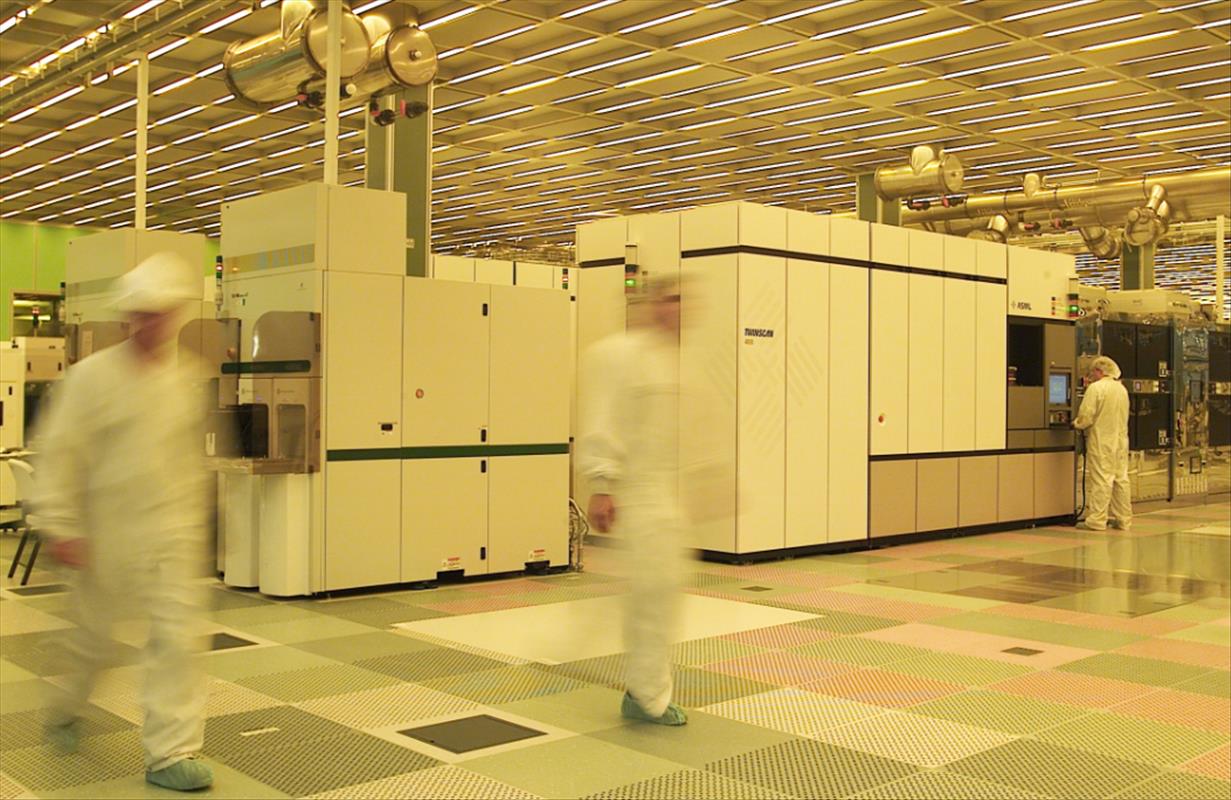
In terms of 2nm, five factories will increase production this year, including two in Hsinchu and three in Kaohsiung.
TSMC has high hopes for 2nm, with wafer output in the first year being 45% higher than that of 3nm in 2023. The compound annual growth rate of 2nm production capacity from 2026 to 2028 is expected to reach 70%.
TSMC previously stated at a performance briefing that the AI trend continues to drive more computing demand, and customers and their clients are sending strong demand signals. The company is confident in the AI trend for the next few years.
Industry analysis shows that the simultaneous improvement of 3nm yield will help sustain overall operational growth, and the pressure on gross profit margin during the initial stage of 2nm mass production will gradually ease with the expansion of production capacity.